Tankless Water Heater Maintenance for Hard Water Areas
If you live in a hard water area, you already know the struggle. That chalky film on your glassware. The stubborn soap scum in the shower. But here’s the thing most homeowners overlook – your tankless water heater is quietly fighting the same battle. And honestly? It’s losing if you don’t step in.
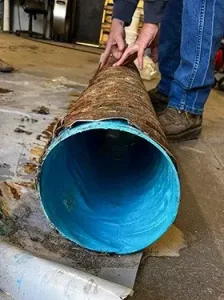
Hard water is packed with calcium and magnesium. When heated, those minerals turn into scale – think of it like plaque clogging an artery. For a tankless unit, that scale builds up inside the heat exchanger, reducing efficiency, restricting flow, and eventually killing the unit. The fix? A solid maintenance routine. Let’s break it down.
Why Hard Water Is the Silent Killer of Tankless Heaters
Unlike traditional tank heaters that store water, tankless systems heat water on demand. That means water rushes through narrow copper or stainless steel pipes at high velocity. When that water is hard, the minerals don’t just pass through – they cling. And over time, even a thin layer of scale acts like insulation. Your unit has to work harder, use more gas or electricity, and eventually, the heat exchanger can overheat and crack.
Here’s a stat that might surprise you: just 1/16th of an inch of scale can reduce heat transfer efficiency by up to 15%. And in severe cases, that number jumps to 40% or more. That’s not just a performance issue – that’s your energy bill quietly inflating every single month.
Signs Your Tankless Heater Is Suffering From Scale
You don’t need to be a plumber to spot trouble. Watch for these red flags:
- Fluctuating water temperature – hot one second, lukewarm the next
- Reduced water flow – shower heads and faucets feel weaker
- Unusual noises – popping, hissing, or rumbling sounds from the unit
- Error codes – many modern units display specific codes for scale buildup
- Longer heating times – it takes forever to get hot water to the tap
If any of these sound familiar, don’t panic. But don’t procrastinate either. Scale buildup is progressive – the longer you wait, the more damage it does.
The Core Maintenance Routine: Flushing Your Unit
Flushing is the bread and butter of tankless maintenance. It’s essentially running a vinegar or descaling solution through the system to dissolve mineral deposits. In hard water areas, this isn’t a yearly luxury – it’s a necessity. Most manufacturers recommend flushing every 6 to 12 months. But if your water hardness exceeds 10 grains per gallon (about 170 mg/L), you should be doing this every 3 to 6 months. No exceptions.
Here’s the deal – you can hire a pro, but this is honestly a DIY-friendly task if you’re even remotely handy. You’ll need a couple of buckets, a submersible pump, some vinyl tubing, and a descaling solution. White vinegar works in a pinch, but commercial descalers are faster and more effective.
Step-by-Step Flushing Guide
- Turn off the power and gas supply to the unit. Safety first, always.
- Close the water isolation valves – these are usually located on the unit itself.
- Connect the pump to the service ports – the inlet and outlet valves with the little knobs.
- Fill a bucket with 3-4 gallons of descaling solution (or vinegar mixed with water).
- Run the pump for 45 minutes to an hour, letting the solution circulate through the heat exchanger.
- Flush with clean water for another 10-15 minutes to remove any leftover acid.
- Disconnect everything, reopen the valves, restore power, and run a hot water tap to confirm everything’s working.
That’s it. A bit tedious, sure. But it’s the single most effective thing you can do to extend your unit’s lifespan in a hard water area.
Beyond Flushing: Additional Hard Water Defenses
Flushing is reactive – it cleans up after the damage. But what if you could prevent scale from forming in the first place? That’s where proactive measures come in. And honestly, this is where people in hard water areas really need to pay attention.
Install a Water Softener or Conditioner
A whole-house water softener swaps calcium and magnesium ions for sodium or potassium. That means the water entering your tankless heater is already “soft” – no scale, no buildup, no problem. It’s the gold standard solution. But it’s not cheap. Expect to pay anywhere from $500 to $2,500 for a decent unit, plus installation.
If a full softener isn’t in the budget, consider a scale inhibitor or water conditioner. These don’t remove minerals, but they alter their crystalline structure so they don’t stick to surfaces. They’re less effective than a softener, but way better than nothing.
Check Your Inlet Filter Regularly
Most tankless units have a small mesh filter at the water inlet. It catches debris, sediment, and larger particles. In hard water areas, that filter can clog faster than you’d think. Check it every couple of months. Clean it with a brush or replace it if it’s damaged. It takes two minutes and prevents a world of hurt.
Monitor Your Water Hardness Level
You can buy a simple test strip kit for under $15. Test your water at least twice a year – once in spring, once in fall. Hardness levels can fluctuate with seasons, especially if you’re on well water. Knowing your exact number helps you adjust your flushing schedule accordingly.
The Cost of Neglect vs. The Cost of Maintenance
Let’s talk money, because that’s what really drives decisions. A new tankless water heater, installed, runs anywhere from $1,500 to $3,500 for a quality unit. A professional flush service costs around $150 to $300. DIY flushing? Maybe $30 in supplies. Do the math – you’d have to flush your unit professionally every single month for a year to match the cost of replacing it.
And that’s just the unit itself. Add in the increased energy bills (10-20% higher with scale buildup) and the potential water damage from a failed heat exchanger, and neglect becomes a very expensive gamble.
| Maintenance Action | Frequency (Hard Water) | Approx. Cost |
|---|---|---|
| Flush with descaling solution | Every 3-6 months | $30 (DIY) / $200 (Pro) |
| Clean inlet filter | Every 2 months | $0 |
| Test water hardness | Every 6 months | $15 per kit |
| Install water softener | One-time | $500 – $2,500 |
| Replace heat exchanger | As needed (if damaged) | $500 – $1,200 |
Notice that last row – heat exchanger replacement. That’s the most common failure point in hard water areas. And it’s almost always due to scale. A little preventative care goes a long way.
Seasonal Considerations for Hard Water Climates
Hard water problems don’t take a vacation. But they do change with the seasons. In winter, cold incoming water makes your unit work harder to reach the set temperature. That extra heat differential accelerates scale formation. So, if you only flush once a year, do it in late fall before the cold snap hits.
Summer brings its own challenges – higher usage from showers, pool fills, and outdoor spigots. More water flowing through means more mineral deposits left behind. A mid-summer check of your inlet filter and a quick flush if you’re noticing temperature fluctuations is a smart move.
Common Mistakes People Make
Let’s be real – everyone messes up maintenance at some point. But some mistakes are more costly than others. Here are the ones I see most often:
- Skipping the manufacturer’s warranty requirements – many warranties require proof of annual flushing. Skip it, and your warranty becomes worthless.
- Using the wrong descaling solution – don’t use muriatic acid or other harsh chemicals. Stick to food-grade citric acid or a commercial descaler.
- Forgetting to flush the hot water side – some people only run the pump through the cold inlet. Make sure you’re circulating through both lines.
- Ignoring error codes – that blinking light on your unit is trying to tell you something. Look it up in the manual.
One more thing – don’t assume that because you have a “self-cleaning” model, you’re off the hook. Those systems reduce scale, they don’t eliminate it. You still need to flush, just maybe less frequently.
When to Call a Professional
DIY is great, but there are limits. If you notice a significant drop in performance even after flushing, or if you see error codes you can’t resolve, call a licensed plumber who specializes in tankless systems. They have specialized pumps, stronger descaling agents, and the know-how to disassemble and inspect the heat exchanger without damaging it.
Also, if your unit is older than 8-10 years and you’ve never flushed it, don’t attempt a DIY flush. The scale might be the only thing holding a cracked heat exchanger together. A sudden flush could cause a leak. Get a professional assessment first.
Wrapping This Up – The Long Game
Living in a hard water area is a bit like owning a classic car – it needs more attention, but it rewards you with longevity. Your tankless water heater is no different. A little vinegar, a few hours of your time, and a consistent schedule will keep that unit running efficiently for 20 years or more.