Quiet and Low-Vibration Appliances: The Secret to Peaceful, Open-Concept Living
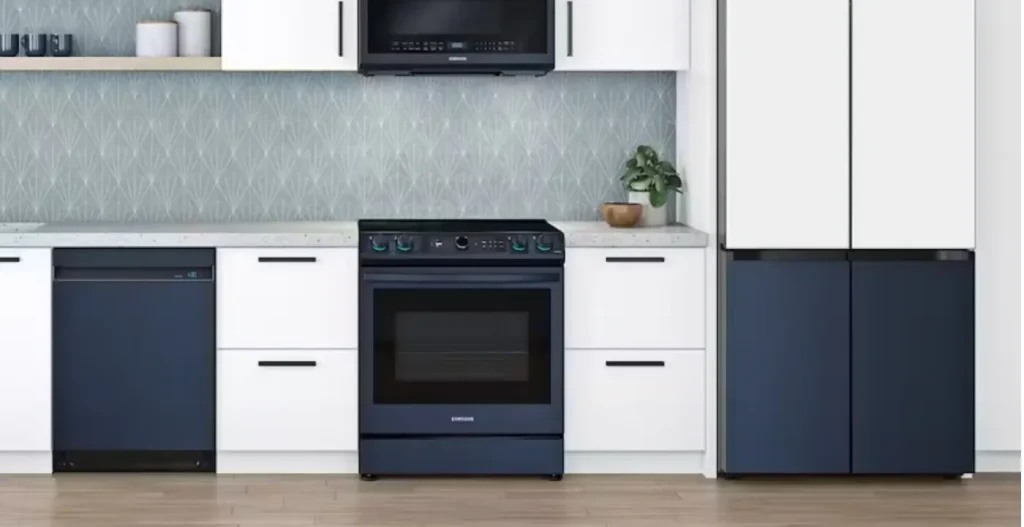
Open-concept living is a dream for connection and light. But let’s be honest—it can be a nightmare for noise. That sleek, flowing space means your blender’s morning roar echoes straight into the living room. The dishwasher’s rumble competes with your movie night. And the washing machine’s spin cycle? It feels like a tiny earthquake traveling through the floorboards.
If you’re noise-sensitive, work from home, or just crave a truly serene sanctuary, the standard hum and clatter just won’t cut it. The good news? A new generation of quiet and low-vibration appliances is designed specifically for modern, open layouts and sensitive ears. Here’s how to find them and transform your home from chaotic to calm.
Why Noise Matters More Than You Think
It’s not just about annoyance. Persistent background noise from appliances—what experts call “home noise pollution”—can actually elevate stress levels, disrupt concentration, and chip away at your sense of tranquility. In an open floor plan, there’s nowhere for that sound to hide. It just… lingers.
Vibration is the other, often overlooked, culprit. A vibrating fridge or washing machine transfers noise through the structure itself, creating a low-frequency drone that’s felt as much as heard. It’s the difference between hearing a neighbor’s music and feeling the bass through your wall. For true peace, you need to tackle both.
The Decibel (dB) Decoder: Your Shopping Guide
First thing’s first: you need to speak the language of sound. Appliances are rated in decibels (dB). It’s a logarithmic scale, which means a 10 dB increase sounds about twice as loud to the human ear. Here’s a quick cheat sheet:
- 40 dB and below: Library-quiet. Ideal for dishwashers and fridges.
- 45-50 dB: A quiet conversation. A great target for washing machines.
- 60 dB and above: Starts to feel intrusive—like normal speech or a vacuum cleaner.
Manufacturers will list dB ratings, but be savvy. Look for the “quiet” or “silent” cycle ratings, as the loudest cycle (like a heavy-duty wash) will be higher. And remember, placement and installation matter just as much as the spec sheet.
Key Features of Low-Noise, Low-Vibration Appliances
So, what should you look for under the hood? Well, a few key technologies separate the rumbly from the serene.
- Inverter Motors: This is a big one. Unlike old-school motors that just turn on and off, inverter motors adjust their speed smoothly. They’re not just quieter; they reduce vibration dramatically and save energy. Look for them in fridges, washing machines, and range hoods.
- Sound-Insulating Materials: Think of it as a cozy blanket for your appliance. High-quality models have linings—often dense foam or other composites—inside their cabinets and doors to absorb sound before it escapes.
- Direct-Drive Washers: In washing machines, this means the motor is directly attached to the drum, eliminating belts and pulleys. Fewer moving parts equals less friction, less noise, and less vibration. It’s a game-changer.
- Anti-Vibration Pads & Frames: Built-in rubber pads, special balancers, and reinforced frames help isolate the machine’s movement from your floor. Some premium dishwashers even have a “quiet” setting that lowers water pressure for a gentler, quieter wash.
A Room-by-Room Guide to Quiet Appliances
Let’s get practical. Here’s where to focus your efforts in each zone of your open-concept home.
The Kitchen: The Heart of the Hubbub
This is ground zero. Your goal here is to contain the chaos.
- Dishwashers: Aim for models rated at 45 dB or lower. Brands often have specific “quiet” lines. Also, look for a solid, not hollow, front panel—it acts as a sound barrier.
- Refrigerators: Inverter compressors are non-negotiable for a quiet fridge. The hum is softer and less frequent. Pay attention to ice makers too; some are notoriously loud. A well-insulated door helps muffle internal sounds.
- Range Hoods: You need power, but not noise. Look for hoods with multiple fan speeds and a low sone rating (the measurement for fan noise). Under-cabinet models with external blowers can move noise outside your living space entirely.
- Blenders & Coffee Grinders: Honestly, these are tough. Some brands now offer “quiet” or “low-noise” models with sound-dampening enclosures. For grinders, consider burr grinders—they’re generally quieter than blade ones.
The Laundry Area: Taming the Tremors
Whether it’s in a closet or near the kitchen, laundry appliances are major offenders.
- Washing Machines: Front-loaders are typically quieter than top-loaders. Pair that with a direct-drive inverter motor, and you’ve got a winner. Look for spin speeds that are balanced to prevent that “walking” vibration.
- Dryers: Heat pump dryers are not only energy efficient but often quieter because they use lower temperatures and a gentler tumbling action. Again, inverter motors make a difference here.
- Pro Tip: Never skip the installation! Use a perfectly level floor, anti-vibration mats, and, if possible, avoid installing them on a raised floor or directly against shared walls. A little effort here pays off massively.
The Living & Work Space: The Final Frontier
It’s not just about the big machines. Consider air purifiers, computers, and HVAC systems. Many now advertise “whisper” or “sleep” modes. For true peace, these background hums need to fade into, well, the background.
Beyond the Purchase: Installation & Lifestyle Hacks
Buying a quiet appliance is only half the battle. How you integrate it is the other half.
| Strategy | How It Helps |
| Strategic Scheduling | Run dishwashers and laundry at night or when you’re out, using delay-start timers. |
| Decouple from Structure | Use rubber anti-vibration pads under appliances. For washers, consider a vibration-absorbing tray. |
| Sound-Absorbing Decor | Rugs, heavy curtains, upholstered furniture, and even bookshelves can soak up stray sound waves in an open plan. |
| Mind the Maintenance | A rattling dishwasher rack or an unbalanced washer load will sabotage even the quietest model. Keep things clean and level. |
It’s about creating a system, you know? Not just buying a single silent product.
The Investment in Quiet: Is It Worth It?
Here’s the deal: quieter, better-engineered appliances often come with a higher price tag. But you’re not just paying for silence. You’re investing in higher efficiency (those inverter motors save energy), often better build quality, and—let’s not underestimate this—your daily well-being.
Think of it as an upgrade for your nervous system. The ability to converse, focus, or simply relax in your own home without an underlying mechanical soundtrack is, frankly, priceless. It turns your open-concept space from a beautiful but noisy gallery into a true sanctuary.
In the end, our homes should recharge us, not drain us. Choosing appliances that respect your need for quiet isn’t a luxury for the few; it’s a smart, thoughtful approach to modern living for anyone who values peace. And in today’s noisy world, that peace might just be the ultimate luxury.