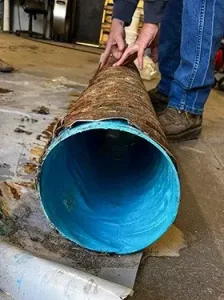
Water treatment and filtration systems for remote work cabins and off-grid living

So you’ve made the leap. Your office view is now a pine forest, a mountain range, or a quiet lakeshore. Remote work from a cabin sounds idyllic—until you turn on the tap. That’s when the dream meets reality. Is the water safe to drink? Will it stain your sink? Honestly, securing clean water is the unglamorous backbone of successful off-grid living.
It’s not just about survival; it’s about thriving. You need reliable water for your morning coffee, a safe shower, and that important video call where you can’t afford a stomach bug. Let’s dive into the world of water treatment for cabins, cutting through the jargon and finding a system that works as hard as you do.
First things first: Know your water source
You can’t treat what you don’t understand. Your approach hinges entirely on where your water comes from. Each source has its own personality—and its own potential problems.
- Well Water: The classic choice. It’s usually consistent but can harbor minerals (hardness, iron), nitrates from agriculture, or bacteria from nearby septic systems.
- Spring Water: Often tastes fantastic, but surface contamination is a real risk. Think animal waste, giardia, or sediment.
- Rainwater (Collected): Soft and lovely, but it washes your roof first. Bird droppings, pollen, and roofing materials can end up in your tank. It’s essentially distilled water that needs cleaning.
- Surface Water (Lake/River): The most challenging. Variable quality, high sediment, microbes, and potential chemical runoff. This source demands respect and robust treatment.
Here’s the deal: Get a comprehensive water test. Don’t guess. A lab test tells you exactly what villains you’re up against—bacteria, viruses, heavy metals, or chemicals. It’s the blueprint for your filtration strategy.
Building your water treatment “team”: A layered approach
Think of water treatment like a security detail for your health. A single guard (or filter) might miss something. A layered system, where each stage handles a specific threat, is far more effective. Here’s how the team usually lines up.
Stage 1: The Bouncer – Sediment & Pre-Filtration
This is your first line of defense. A simple sediment filter—often a pleated or spun polypropylene cartridge—catches sand, rust, silt, and other gritty particles. It protects the more sensitive and expensive equipment downstream from getting clogged or damaged. If your water looks cloudy, this is your starting point.
Stage 2: The Specialist – Addressing Specific Contaminants
After the big stuff is out, you tackle specific issues based on your test results.
- For Taste, Odor, & Chemicals: A granular activated carbon (GAC) filter is a superstar. It removes chlorine (if you treat with it), bad tastes, odors, and many organic chemicals. It’s like a super-absorbent sponge for impurities.
- For Hardness & Minerals: A water softener (ion exchange system) tackles calcium and magnesium that cause scale. That scale is brutal on appliances, water heaters, and even your skin and hair. For a cabin, compact template-assisted crystallization (TAC) units are a popular, salt-free alternative.
- For Iron & Manganese: These metals stain everything orange or black. An iron filter oxidizes and filters them out, saving your sinks, toilets, and laundry.
Stage 3: The Terminator – Pathogen Removal
This is non-negotiable for any untreated surface or groundwater. You have two main warriors here, and sometimes they work together.
- Ultraviolet (UV) Purifiers: A brilliant, energy-efficient technology. Water flows past a UV lamp that scrambles the DNA of bacteria, viruses, and parasites, rendering them harmless. It’s chemical-free and instant. But—and this is crucial—the water must be clear first. UV light can’t penetrate murky water, so sediment pre-filtration is mandatory.
- Reverse Osmosis (RO): The heavy-duty option. RO forces water through a semi-permeable membrane, removing up to 99% of contaminants, including viruses, bacteria, heavy metals, and dissolved solids. It produces incredibly pure drinking water. The downsides? It’s slower, wastes some water in the process, and removes beneficial minerals too (which can be re-added with a remineralization stage). Often, an RO system is installed just at the kitchen sink for drinking and cooking water, not the whole cabin.
System designs for different cabin lifestyles
Not all off-grid setups are the same. Your power situation and usage patterns dictate the best fit.
| System Type | Best For | Key Considerations |
| Gravity-Fed Systems | Low-tech cabins, emergency backup, pre-filtering rainwater. | Slow flow rate. Often uses ceramic or carbon block filters. Great for biological protection when paired with a ceramic filter. |
| 12V DC Powered Systems | Solar-powered cabins, vans, RVs. Running a UV sterilizer or a small pump. | Efficient for low-energy lifestyles. Ensure your solar/battery bank can handle the load, especially for UV bulbs. |
| Standard Pressure (110V AC) Systems | Cabins with reliable grid or generator power. | Opens up all options: full-house softeners, large sediment filters, and high-capacity UV units. |
| Point-of-Use vs. Point-of-Entry | POE: Treats all water entering cabin. POU: Treats water at one faucet (like RO at kitchen sink). | POE protects pipes & appliances. POU is cheaper & targets drinking water. Many cabins use a hybrid approach. |
Maintenance: The unsexy key to success
A filter you forget about is worse than no filter at all. A clogged sediment filter strains your pump. An expired UV lamp gives a false sense of security. It becomes a petri dish. Mark replacement dates on your calendar. Stock spare filters. It’s a simple ritual that ensures your water security never falters.
And listen—start simple if you need to. A basic sediment filter followed by a high-quality carbon block filter at the kitchen sink can make a world of difference. You can always add a UV light later. The goal is progress, not perfection from day one.
The true cost of clean water
Sure, the initial investment can give you pause. A robust multi-stage system might run several hundred to a couple thousand dollars. But weigh that against the cost of bottled water hauled in for months, the medical scare from a waterborne illness, or replacing a ruined water heater coated in scale. The peace of mind, the convenience, the sheer normalcy of turning on a tap for a glass of safe water… well, it’s priceless. It turns your remote cabin from a challenging outpost into a true home.
In the end, your water system is a silent partner in your off-grid life. It works in the background, unnoticed, making the dream not just possible, but profoundly comfortable. It lets you focus on the view, not the worry. And that’s the whole point, isn’t it?